
Think about the pace you enjoy
Land-based drives can suit travelers who want to cover different habitats and spend time following an unfolding wildlife scene. Water outings may appeal to those who enjoy a slower perspective, watching the edges of channels and noticing smaller details. These are ways to describe your preferences, not promises of wildlife sightings.
Tell the operator whether your priority is mammals, birds, photography, landscape or simply spending time outdoors. Several interests can coexist, but ranking them helps choose a base. Someone imagining long photographic sessions may need different arrangements from a traveler whose main wish is an occasional gentle water excursion between relaxed afternoons at camp.
Use location to interpret the activity list
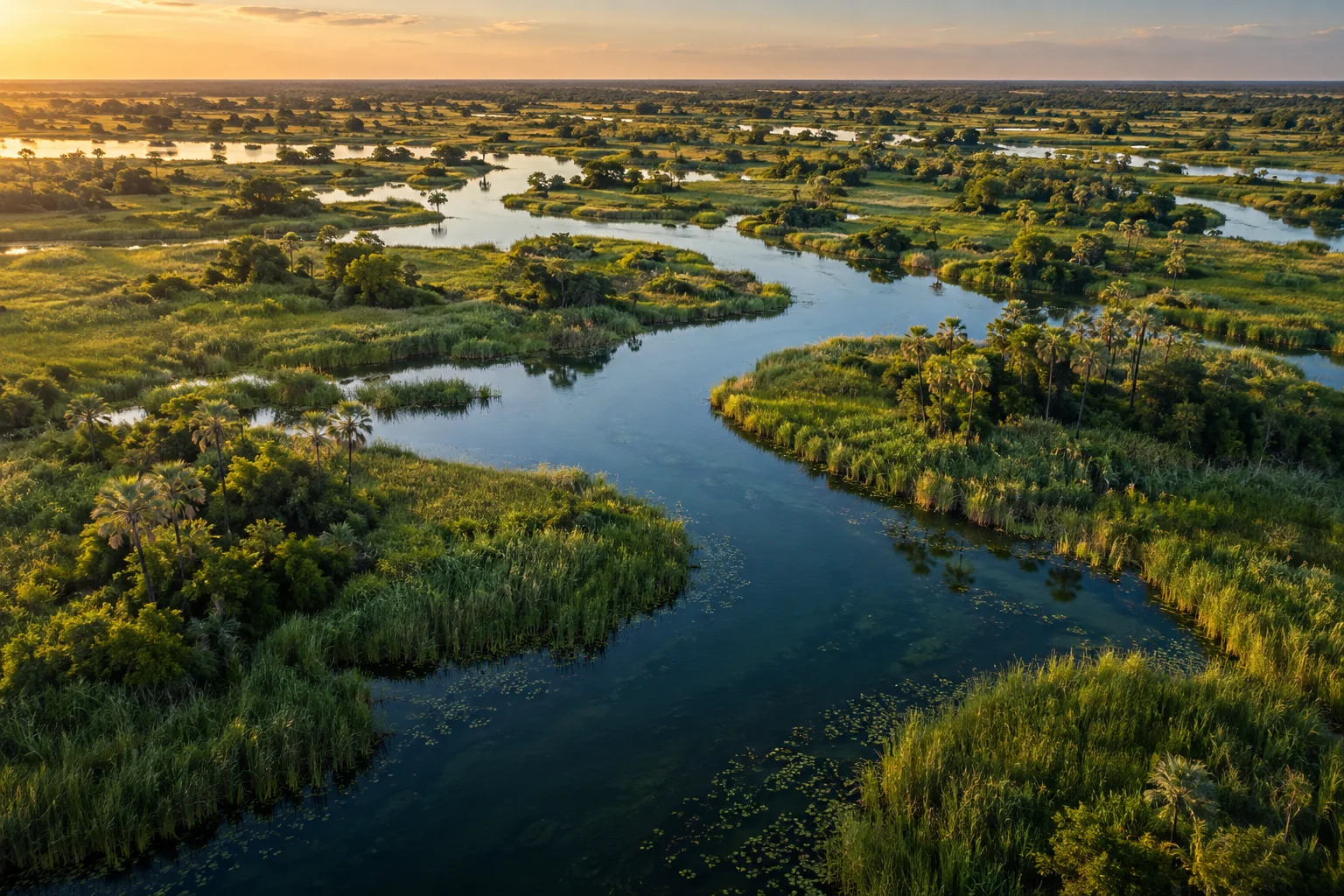
Botswana Tourism describes permanent swamps, seasonal marshes and drier land within the broader delta landscape. This variation is the reason a camp's exact position matters. “In the Okavango” does not tell you whether a particular channel supports the outing you have in mind.
Ask for the camp's own explanation of water availability and its usual activity mix. If a brochure lists both boating and drives, find out whether both are expected during your stay or whether the list describes experiences offered across the year. Obtain a clear distinction between a seasonal possibility and an included activity the operator expects to operate.
Understand what a mixed camp can offer
A mixed camp may make sense when you want variety without changing accommodation, especially on a short itinerary. Ask how the guide allocates activities, whether guests choose daily and what happens if different people in the vehicle or boat have different preferences. An impressive activity list is less useful if you only have time for a small part of it.
A pair of complementary bases can offer more contrast, but it also creates a transfer. Compare the likely gain against the hours spent packing and moving. For some travelers, staying longer at one suitable camp produces a richer experience than chasing a perfect division between water and land.
Ask about the physical experience
Different water craft and outings require different levels of comfort with boarding, balance, seating and exposure to sun. Describe any mobility limitations and ask staff to explain the actual procedure, including assistance and time seated. Do not rely on a broad description such as easy or suitable for everyone.
For families, confirm minimum ages for each activity and whether children can participate together with adults. Discuss alternatives for anyone who decides not to join. A good itinerary should allow a traveler to opt out without creating confusion about supervision, transfers or additional charges. The same practical questions apply to extended drives and guided walks.
Keep photography expectations practical
Ask the protection and carrying arrangements for camera equipment on water outings, and whether your preferred bag fits the craft. A different viewpoint can be rewarding without producing the close portraits you imagined from lodge advertising. Consider what kind of photographs you want and whether the activity's pace supports them.
A dedicated photographic arrangement may involve a private vehicle or boat and should be priced explicitly. Shared outings require consideration for other guests and the guide's decisions. Keep expensive equipment secondary to listening and remaining stable. You should not need to move unpredictably or pressure a guide to approach wildlife in order to feel the excursion was worthwhile.
Choose a balance you would enjoy in ordinary conditions
Ask yourself whether you would still value the water outing without a dramatic animal encounter. If the answer is yes because landscape, sound and observation matter to you, make room for it. If your main objective is sustained land-based game viewing, prioritise that and add water as a complement where practical.
Before booking, confirm the activity inclusions, likely seasonal limits and cancellation terms. Ask for a straightforward backup plan if a preferred outing cannot operate. The best balance is not a fixed percentage of land and water. It is the combination that suits your curiosity, comfort and available time while recognising that the delta is a changing environment.
Sources & further reading
Official resources for destination facts and current visitor information. Our planning suggestions are editorial guidance, not a live availability or price quote.