
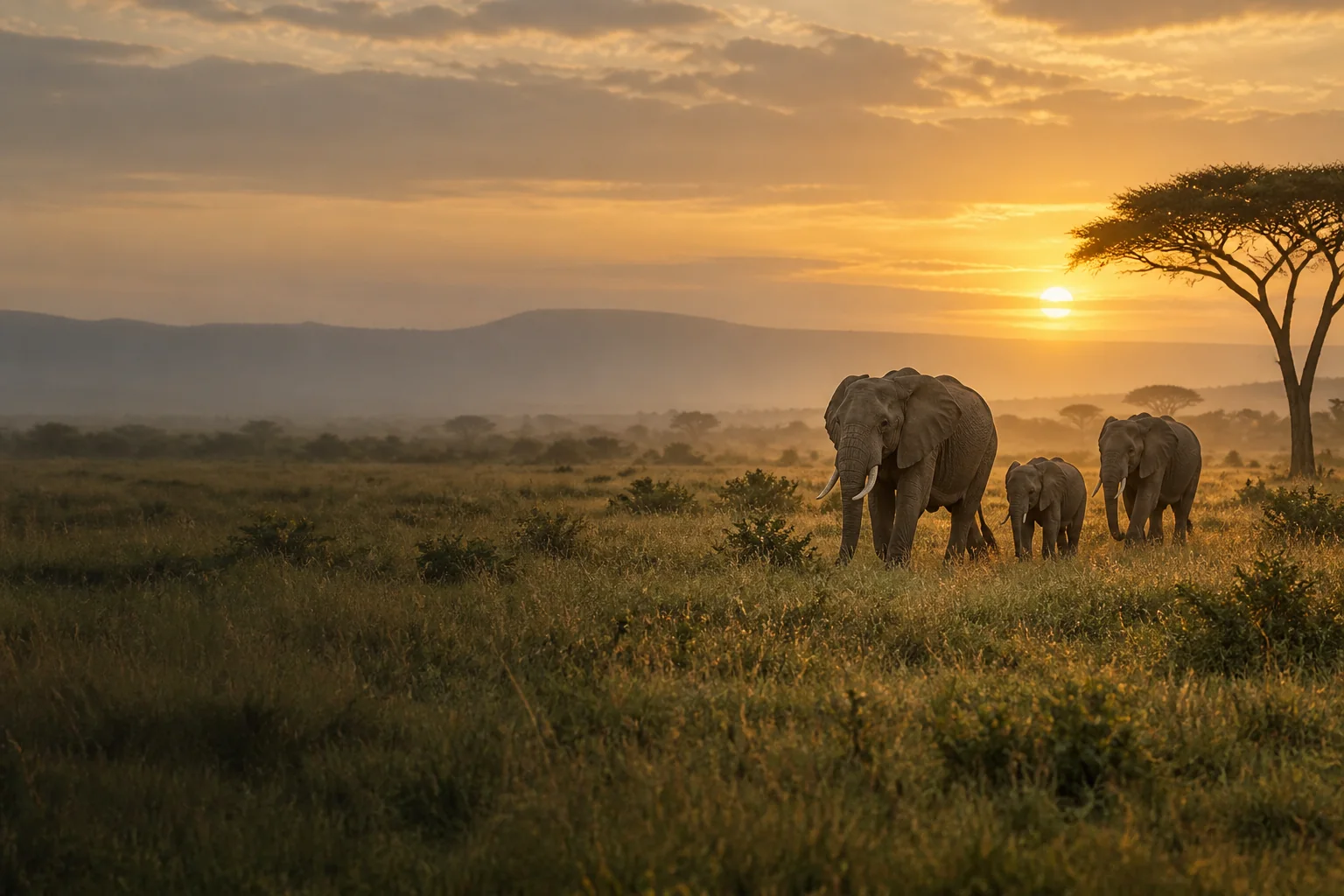
Give wildlife a protected place in the route
If a safari is the main reason for traveling, reserve meaningful time at your wildlife base before adding coastal or desert stops. It is easy to fill a Namibia route with attractive destinations and leave only one hurried morning for the activity that originally motivated the trip.
Etosha can provide a clear wildlife focus. Namibia Wildlife Resorts identifies Okaukuejo's floodlit waterhole as one of its principal features, illustrating that observing from an established viewing area can be part of the experience as well as driving. Think about the kind of time you want outdoors, and ask how the chosen base supports it.
Use the road surface, not just the distance
The Namibia Tourism Board notes that much of the country's road network is gravel and that travel takes longer than a simple distance calculation may suggest. Use that information to question optimistic itineraries. A short line on a map is not a reliable description of an easy transfer.
Ask your provider for realistic driving time, planned stops and the point at which you need to arrive. If self-driving, allow time to become familiar with the vehicle and its controls before beginning a demanding day. Avoid planning a route around the fastest estimate an online map produces. The itinerary should still work when you stop to rest or enjoy a view.
Decide what you want to do yourself
Some travelers enjoy navigating, managing supplies and choosing when to pull over at permitted stopping places. Others would rather use a guide so that both members of a couple can watch the landscape instead of sharing driving duties. These are different experiences, not a contest over which is more adventurous.
A mixed plan can also be considered. You might drive the main route independently and book guided wildlife activities from particular bases. Ask which sections genuinely suit your experience and where professional support adds most value. The answer should reflect current road conditions, your comfort and the actual vehicle, not a general claim that self-driving is easy everywhere.
Make overnight stops do useful work
An overnight stop can be a destination in its own right or simply a practical break. Label it honestly. If you arrive late and leave early, paying for a property mainly because it has activities you cannot use may make little sense. Conversely, a place you genuinely want to explore needs time beyond check-in and breakfast.
Review the itinerary by counting full days at each major location. Ask whether removing one distant stop would allow a more rewarding stay somewhere else. This is especially important when combining wildlife with landscapes: an extra place name can look like added value while actually reducing the hours available for the experiences that distinguish the route.
Plan the unglamorous essentials
Ask about fuel planning, drinking water, food availability and mobile coverage along the actual route. A rental briefing should explain the vehicle, support contact and procedures if something goes wrong. Know what assistance is included and which situations remain your responsibility under the rental agreement.
For accommodation, confirm meal arrangements rather than assuming every overnight stop provides dinner. Check how early breakfast can be served if you have a planned departure. Travelers with accessibility needs should ask about surfaces and distances around properties, not only room specifications. These small details affect daily comfort far more often than a dramatic photograph suggests.
Judge the whole journey before booking
A useful Namibia brief includes your driving experience, preferred daily pace, interest in wildlife versus landscapes, accommodation style and willingness to camp. Provide arrival and departure points, dates and a budget range. Ask the operator to explain where the longest day occurs and what could be removed if the plan feels too busy.
Compare total costs including vehicle, fuel estimates, accommodation, meals, guided activities and relevant entry charges. Read driving restrictions and cancellation terms carefully. A good first Namibia safari should feel expansive because you have time to observe it, not exhausting because every day requires another ambitious distance. Leave the itinerary enough margin to remain enjoyable when the road asks you to slow down.
Sources & further reading
Official resources for destination facts and current visitor information. Our planning suggestions are editorial guidance, not a live availability or price quote.