
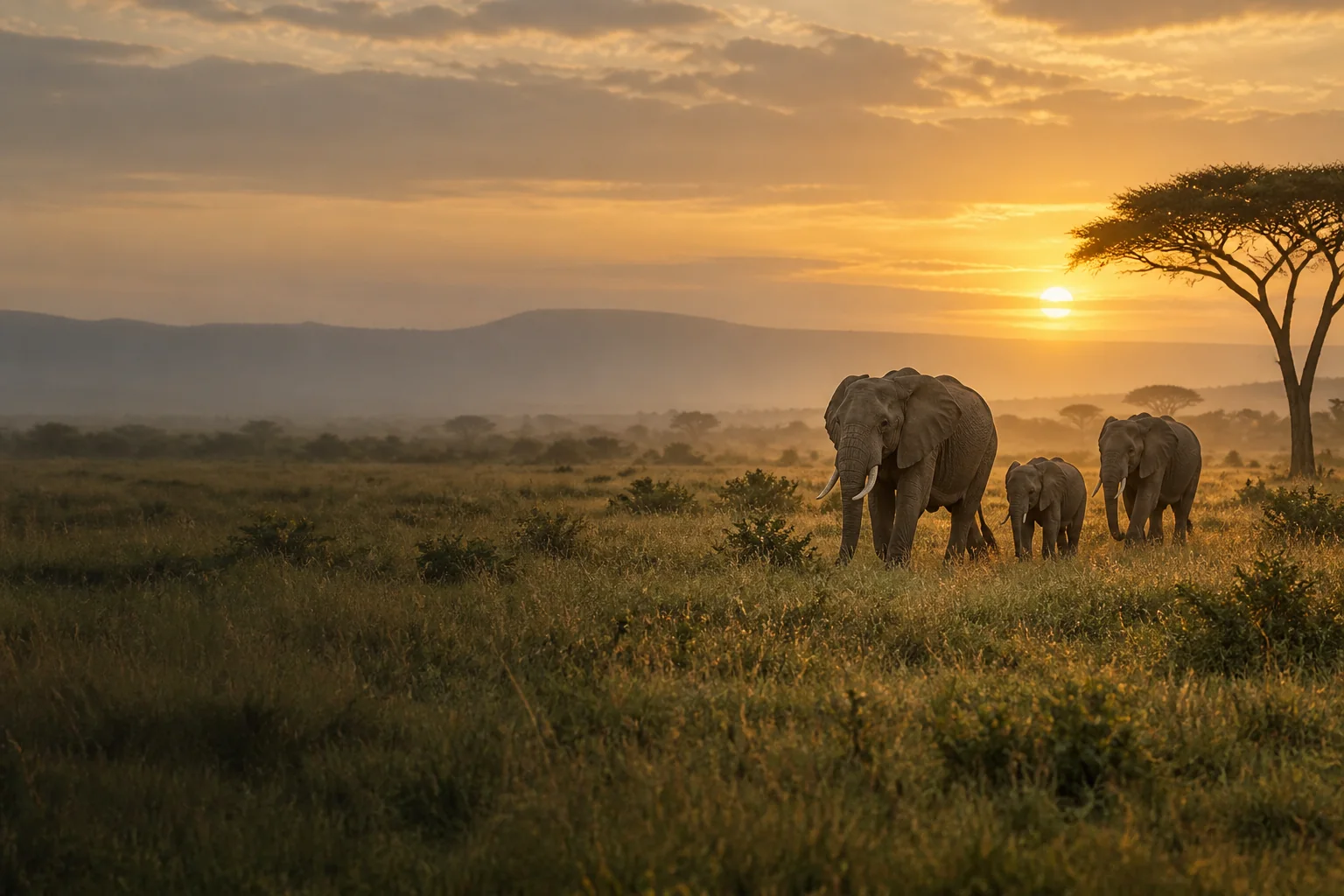
Make patience an active part of the day
Waiting is not the same as doing nothing. Watch how different animals approach an open area, where they pause and how their behavior changes when another group arrives. Use binoculars to examine the background rather than focusing only on the closest subject. A quiet spell can help you understand the setting before anything dramatic happens.
Discuss this preference with your guide or traveling companions. If one person wants to move frequently and another enjoys an hour of observation, the disagreement is best resolved before the drive. Plan some time for exploration and some for watching so that neither style dominates by accident.
Choose a base that supports your priorities
Namibia Wildlife Resorts describes Okaukuejo's floodlit waterhole as a feature available for observation by day and night. This is a specific camp facility, not a promise that every Etosha accommodation provides the same setup. Ask exactly what viewing is available from your proposed base and which areas guests may use.
Consider the room location, walking route to shared facilities and the daily drive needed to reach your preferred areas. Staying outside a park gate may create a different routine from staying within it. Ask the operator to explain entrance procedures and return requirements so that convenience is evaluated alongside room style.
Build loops that allow time to stop
An overly ambitious route creates pressure to leave a worthwhile sighting simply to cover the remaining distance. Start with a modest plan and a clear turnaround point. If the morning is rewarding, you should be able to spend longer observing without making the return journey rushed.
For independent driving, obtain current park information on permitted routes, closures and operating times. Use an appropriate map and follow local directions. A previously published itinerary may not reflect current access. Ask staff about realistic routes from your base rather than assuming the longest circuit offers the best chance of a satisfying day. More road does not necessarily mean more observation.
Use quieter moments well
Keep a simple record of what you see, including the time, broad habitat and behavior. This can make repeated visits more interesting because you start comparing scenes rather than collecting names. Families can give children an observation task such as noticing which animals arrive together or how birds use the edges of the water.
Avoid turning the exercise into a demand for activity. Wild animals are not obliged to visit while you are watching. If conditions are uncomfortable or attention is fading, a break may improve the rest of the day. The aim is patient curiosity, not endurance for its own sake.
Prepare for observation rather than pursuit
Bring binoculars you know how to use, drinking water and a way to keep essential items within easy reach. For photography, consider how you support the camera without obstructing anyone else or leaving the permitted position. Ask about suitable arrangements if you need additional time to settle into a comfortable seat.
Respect other visitors' sightlines and avoid blocking access. Follow park and guide instructions about where you may stop, remain and get out. A close animal encounter should not become a reason to change those rules. Good wildlife watching includes allowing the animals and other people space, especially at an established viewing point.
Compare proposals by time outdoors
When reviewing Etosha itineraries, count full opportunities for wildlife watching, not simply hotel nights. A stay that begins late and ends early can contain less usable time than the headline suggests. Ask what is scheduled on the arrival day and whether a guided drive is included or available separately.
Request a clear breakdown of accommodation, meals, vehicle or transfers, activities and park charges. Tell the operator whether your priority is patient waterhole observation, varied driving or a combination. A well-paced plan gives you a practical base and enough freedom to stay with an interesting scene. It should not need a guaranteed species list to justify the time you spend there.
Sources & further reading
Official resources for destination facts and current visitor information. Our planning suggestions are editorial guidance, not a live availability or price quote.