Describe your family beyond the headcount
Give the operator each child's age at the time of travel, room preferences and the longest journey your party can comfortably manage. Mention early bedtimes, food restrictions, mobility needs and whether anyone needs regular quiet time. These details affect accommodation and activities more directly than a general request for a family-friendly safari.
Ask for examples of how the proposed guide and property support children of those ages. A swimming pool alone does not establish suitability. Check supervision expectations, walking routes between rooms, meal flexibility and arrangements after dark. Request explicit confirmation of any activity age limits rather than assuming that every member of the family can participate.
Create a manageable wildlife rhythm
Shorter outings with room to pause may suit your family better than consecutive full days in a vehicle. Ask whether returning for lunch is practical from the proposed wildlife area. A private vehicle can allow more control over breaks, but confirm exactly which activities and transfers are private before treating flexibility as included.
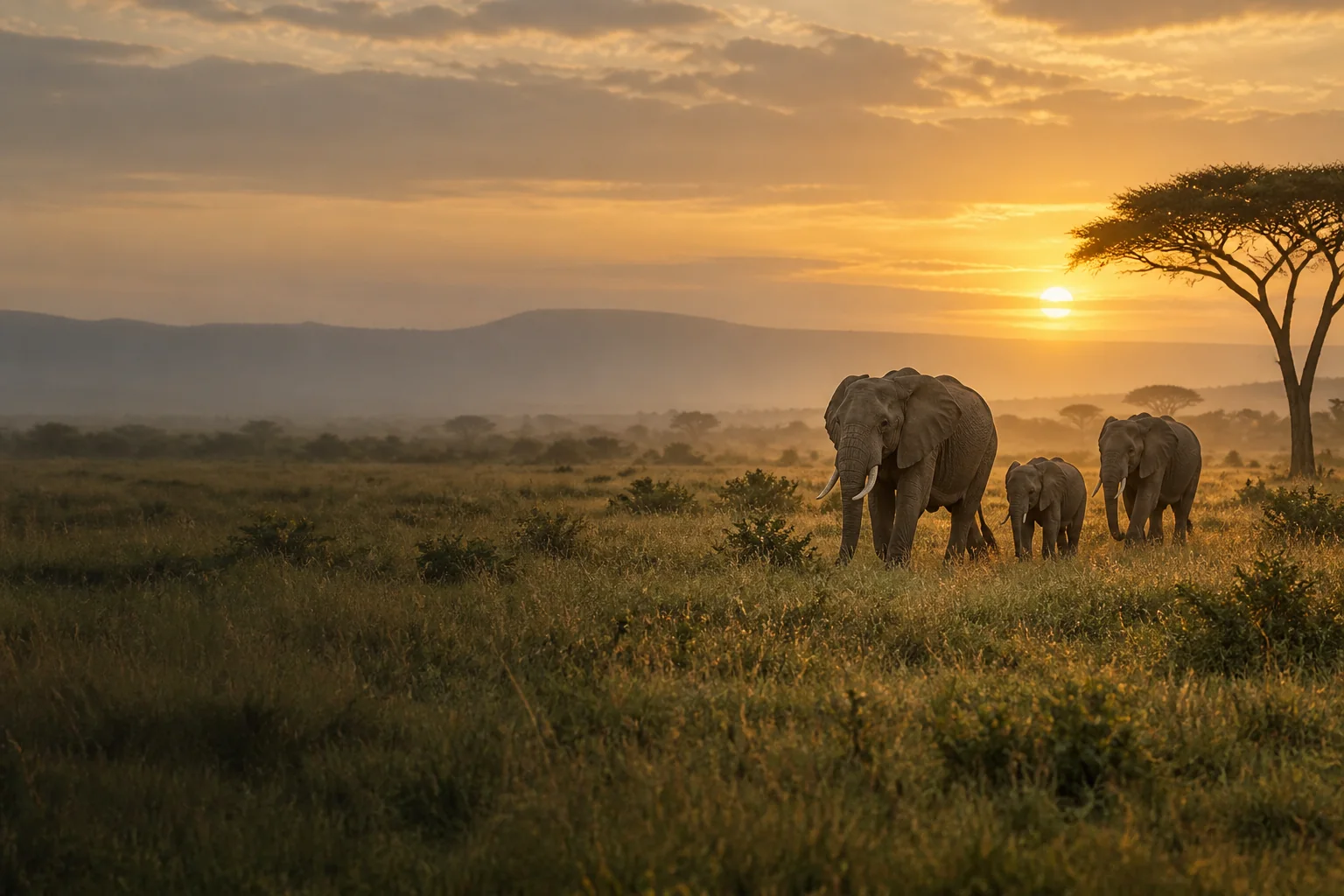
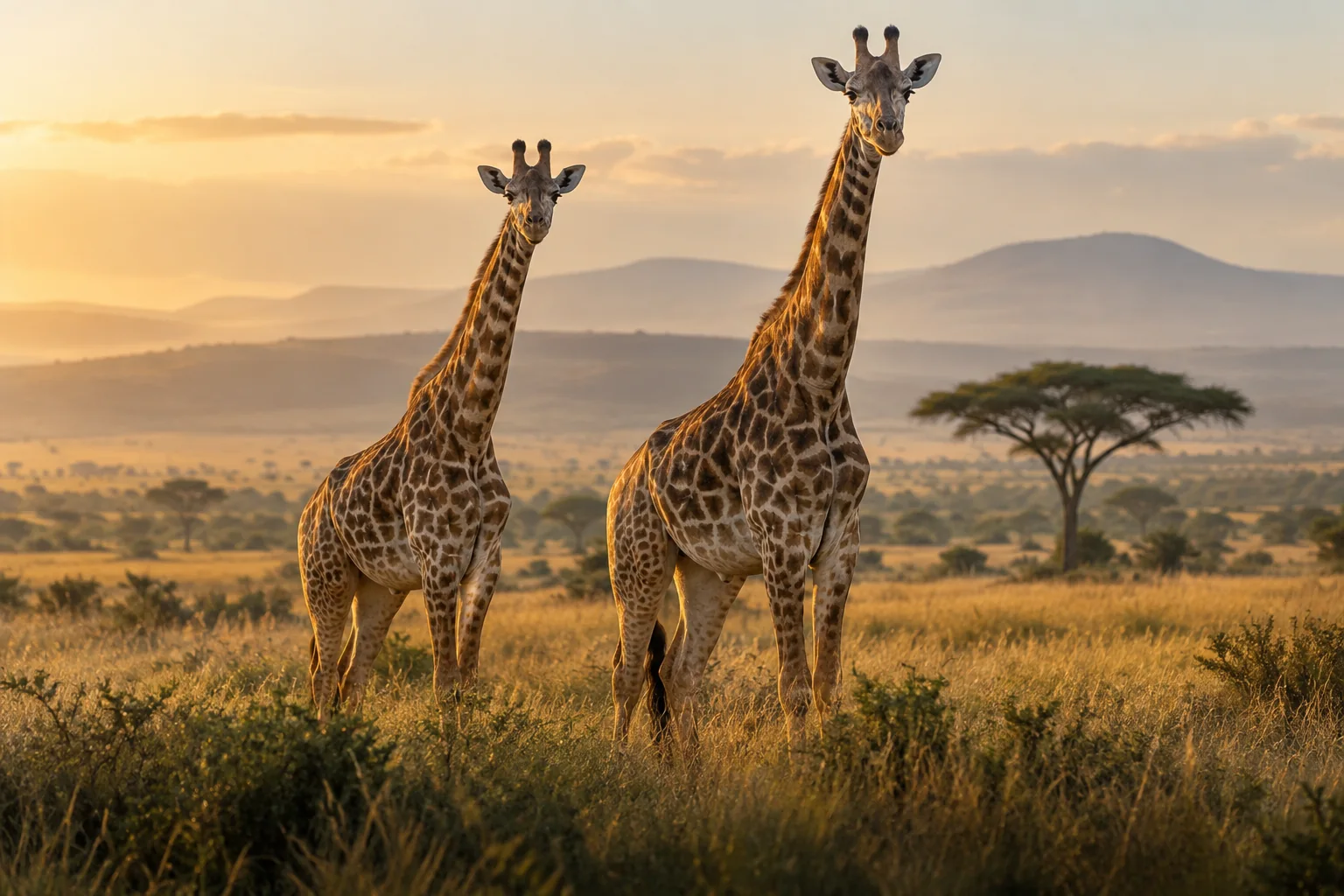
Let children choose small observation projects: different bird calls, tracks described by the guide or the changing shape of a landscape. Amboseli offers contrasting habitats, including wetlands and open plains, according to Kenya Wildlife Service. That variety can support curiosity beyond a list of large animals. The goal is attention and enjoyment, not a competition to record every species.
Check the room and vehicle details
Ask for the actual sleeping arrangement: connecting rooms, a family unit, extra beds or separate tents. Confirm the distance between spaces and whether an adult must share with younger travelers. Photographs of the main lodge do not answer those questions. Obtain written approval for your precise occupancy rather than assuming an extra bed can be added later.
For transport, discuss seat configuration, seat belts, child restraint arrangements and access in and out of the vehicle. Ask how drinking water, bathroom stops and packed meals are handled. If flying between locations, check baggage allowances for every traveler, including children, and whether your preferred bags and any essential equipment are accepted.
Leave room for the family to enjoy it
Build a rest margin after international arrival and avoid making every night a different property. Ask the operator what would be lost and gained by removing one stop. A slower itinerary can provide more opportunities to revisit a favorite activity and less pressure when someone is tired. Keep optional experiences genuinely optional in the daily plan.
Before booking, make sure every adult understands the wildlife rules and the property's supervision requirements. Kenya Wildlife Service asks visitors to remain in vehicles except in designated areas and to avoid feeding animals. Discuss these expectations with children in advance. Finish planning with one clear itinerary, confirmed rooms and a contact who can handle changes, so the family can focus on discovering the place together.
Sources & further reading
Official resources for destination facts and current visitor information. Our planning suggestions are editorial guidance, not a live availability or price quote.