
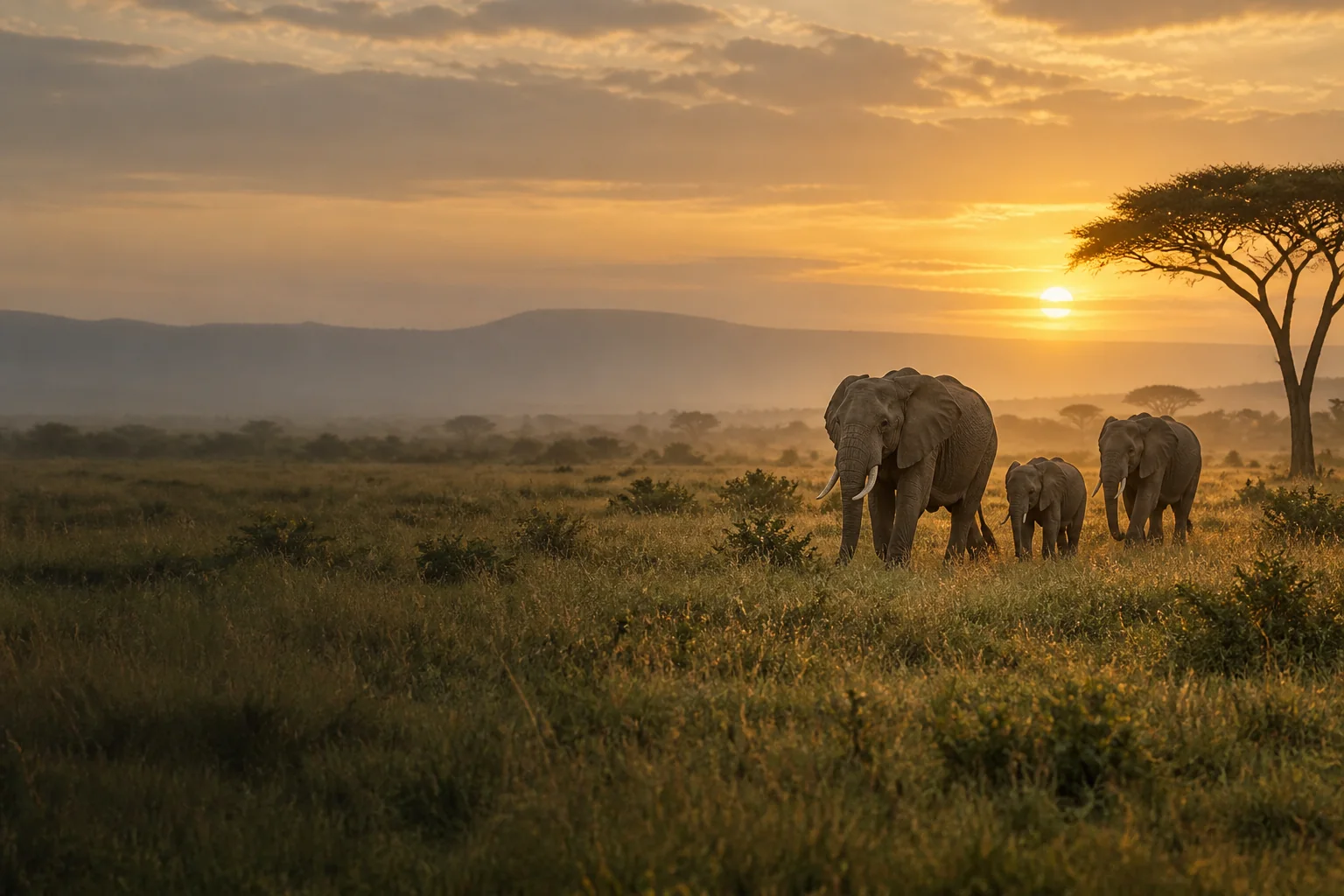
Is direct contact with wildlife a sign of a better experience?
No. Closeness is not a reliable measure of welfare or meaningful observation. Activities built around touching, riding or producing a reaction can raise concerns that a promotional photograph does not reveal. ABTA identifies elephant riding and bathing among practices it categorizes as unacceptable in its tourism welfare guidance.
Ask what participation actually involves before buying the activity. An experience described as a visit can include a contact component that is easy to overlook. Choose observation over an interaction you do not understand, and avoid treating an animal's apparent compliance as evidence of the process behind it. A memorable experience can come from watching behavior without becoming part of the animal's immediate space.
Does the word sanctuary prove that a venue is responsible?
No single marketing word establishes an independent assessment. Ask who operates the site, why the animals are there, what visitor activities occur and what evidence supports its stated purpose. A conservation claim should be specific enough to discuss rather than relying only on a moving origin story or an attractive enclosure.
Look for clear information about management and the visitor's role. Avoid pressuring staff to provide contact outside the stated rules. If an important claim remains vague, compare another activity instead of assuming the label resolves the question. This guide does not certify a venue or make an allegation about a named operator; it encourages a more careful decision based on information that can be explained and checked.
Why is feeding wildlife inappropriate during a safari?
It changes the encounter from observation to an action designed around the visitor, and it can conflict directly with park instructions. SANParks treats feeding and disturbing animals as serious offenses in Kruger. A small amount of food or a quick photograph does not create an exception.
Keep snacks and waste under control according to the guide's instructions, including at designated picnic areas and accommodation. Do not encourage an animal to approach a vehicle, room or person. Ask the host how food storage works rather than copying another guest's behavior. Responsible viewing includes ordinary habits between headline sightings; it is not limited to how a guide positions the vehicle beside a large mammal.
How do I evaluate a community or conservation contribution?
Ask what the stated contribution funds, who receives it and whether it is a mandatory charge, voluntary donation or part of the provider's business spending. A vague claim that every booking helps wildlife does not show how your payment relates to a specific activity or recipient.
For community visits, ask who organizes the experience and how participation and photography consent work. Respect a decision not to be photographed, and do not treat people as background scenery. Choose a visit for the exchange it actually offers rather than for a promise of a universal cultural encounter. Practical transparency is more useful than a badge whose criteria and meaning remain unclear.
What does responsible behavior look like on an ordinary drive?
Follow access rules, keep noise appropriate, allow the guide to manage distance and never pressure the driver to block or pursue an animal for a better image. Accept that the most considerate decision can be to wait, move away or choose another route. A crowded sighting does not justify adding more pressure.
Communicate your preferences before the trip so the operator understands that patient viewing matters. Reward explanations and thoughtful conduct when giving feedback, rather than focusing only on the number of species photographed. Keep realistic expectations about wildlife movement. A safari's value grows through understanding the landscape and supporting appropriate behavior, not through obtaining an increasingly intrusive encounter because a camera has a stronger zoom or a visitor pays for privacy.
Sources & further reading
Official resources for destination facts and current visitor information. Our planning suggestions are editorial guidance, not a live availability or price quote.
New question-guide sources checked 25 October 2026. Confirm changing requirements and provider arrangements for your dates.