Which animals belong to the Big Five?
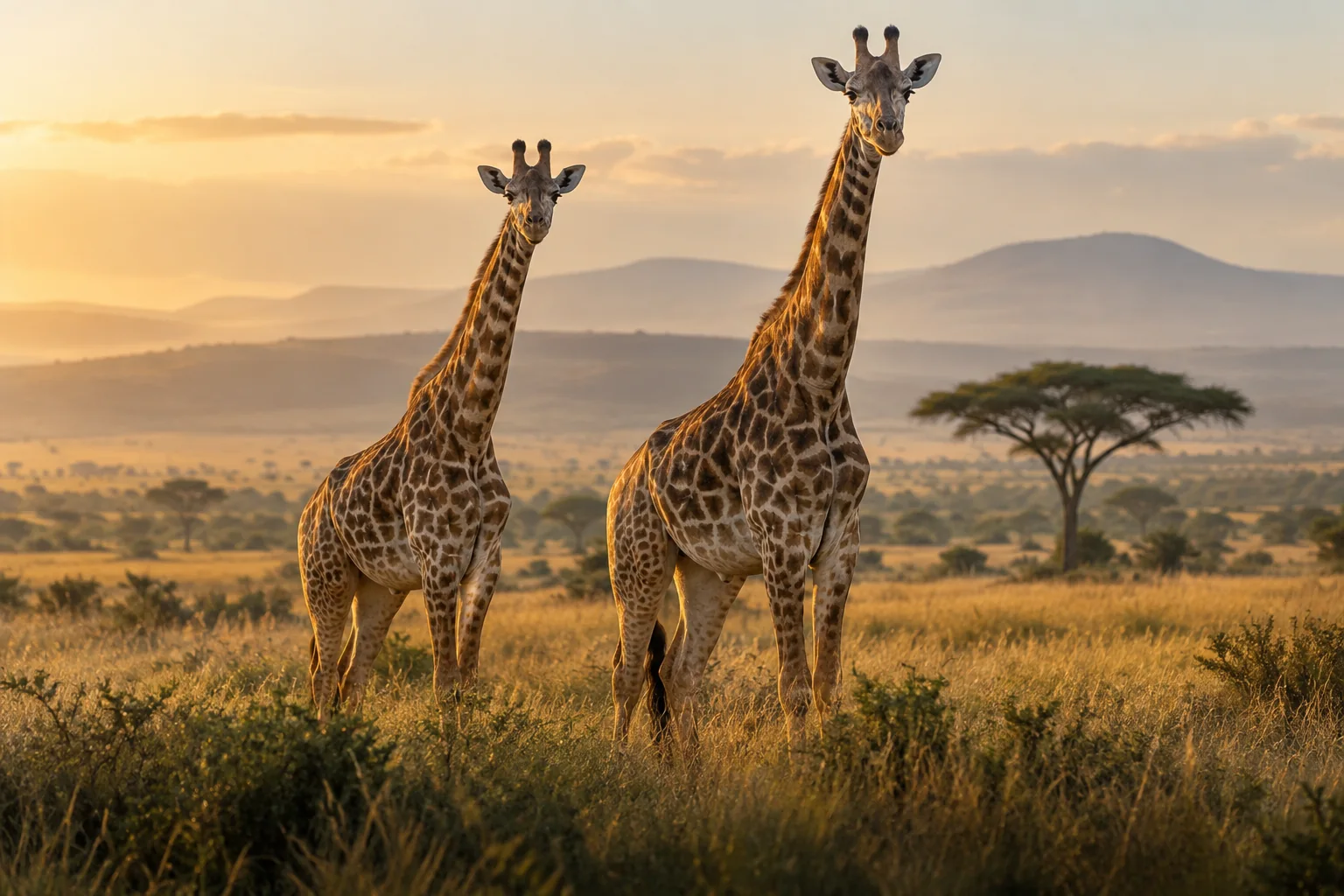
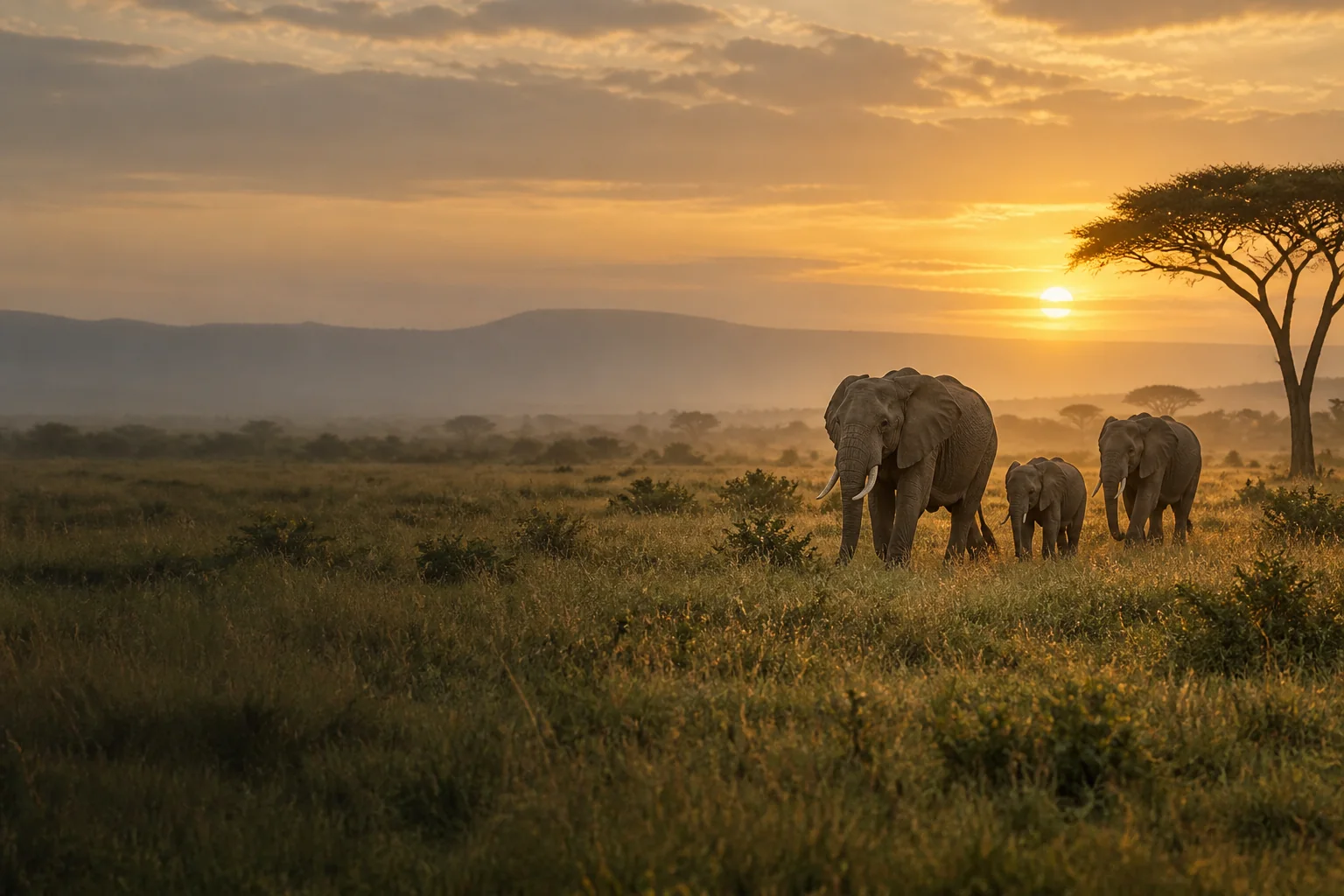
Lion, leopard, African elephant, African buffalo and rhinoceros make up the conventional list. Giraffe, zebra, cheetah and hippopotamus are memorable safari animals, but they are not members of this particular group. Both black and white rhinoceros fit the rhino category; the label does not mean that both species occur at every destination.
Use an operator's species list as a description of potential interest rather than a daily schedule. If one animal particularly matters to you, discuss the habitat, suitable viewing area and time devoted to searching. A list printed beside a package name does not establish the probability of encountering each animal on your dates.
Does a Big Five park guarantee five sightings?
No. Animals move freely, hide in vegetation, rest away from roads and respond to changing conditions. A park can support all five while a particular drive produces only some of them. Even several successful outings do not create a guarantee about the next morning.
Ask how a guide makes decisions during quiet periods. A useful answer includes reading tracks, interpreting other wildlife and choosing appropriate habitats, rather than simply driving faster between reported sightings. Consecutive days in one area provide different opportunities, but the value lies in repeated observation and learning, not an assured checklist. An honest proposal makes that uncertainty clear before payment.
Is the Big Five label a measure of safari quality?
It measures neither guiding quality nor your comfort. A rushed itinerary in a famous reserve can feel less rewarding than a well-paced visit to a place with fewer headline species. The quality of explanations, sensible driving, appropriate accommodation and time to stop all shape the experience.
Write down what makes an outing enjoyable for your party. One traveler likes identifying birds; another prefers landscapes, animal interactions or unhurried photography. Share those preferences with the guide. A safari centered entirely on ticking names can overlook an elephant family interacting, a feeding strategy or an interesting change in habitat directly beside the road.
Are the Little Five and Big Seven the same thing?
No. Wildlife destinations sometimes use additional lists to encourage interest in smaller animals or a broader landscape. SANParks describes a Little Five that includes the buffalo weaver, elephant shrew, leopard tortoise, ant lion and rhino beetle. These names are an invitation to notice details rather than a replacement for ecological understanding.
In its Addo travel guidance, SANParks uses Big Seven for the Big Five plus southern right whale and great white shark, with the marine element involving a separate kind of outing. That is not the Little Five list, and a land-based game drive does not automatically include a marine excursion. Compare the actual activities, locations and transfers behind each label; none of the names guarantees every sighting.
How do I plan around a favorite animal responsibly?
Choose a suitable region with the help of an informed operator, allow enough time and accept the guide's decisions about distance and access. Avoid putting pressure on a driver to leave permitted roads, crowd an animal or obstruct its route for a photograph. The animal's presence does not create permission to approach.
Keep alternative interests ready. A small notebook with birds, landscapes, tracks and questions about animal behavior provides reasons to enjoy a quieter session. Record what you learn as well as what you see. That habit makes a safari rewarding even when a leopard stays hidden or a particular rhinoceros remains outside the permitted viewing area.
Sources & further reading
Official resources for destination facts and current visitor information. Our planning suggestions are editorial guidance, not a live availability or price quote.
New question-guide sources checked 25 October 2026. Confirm changing requirements and provider arrangements for your dates.