
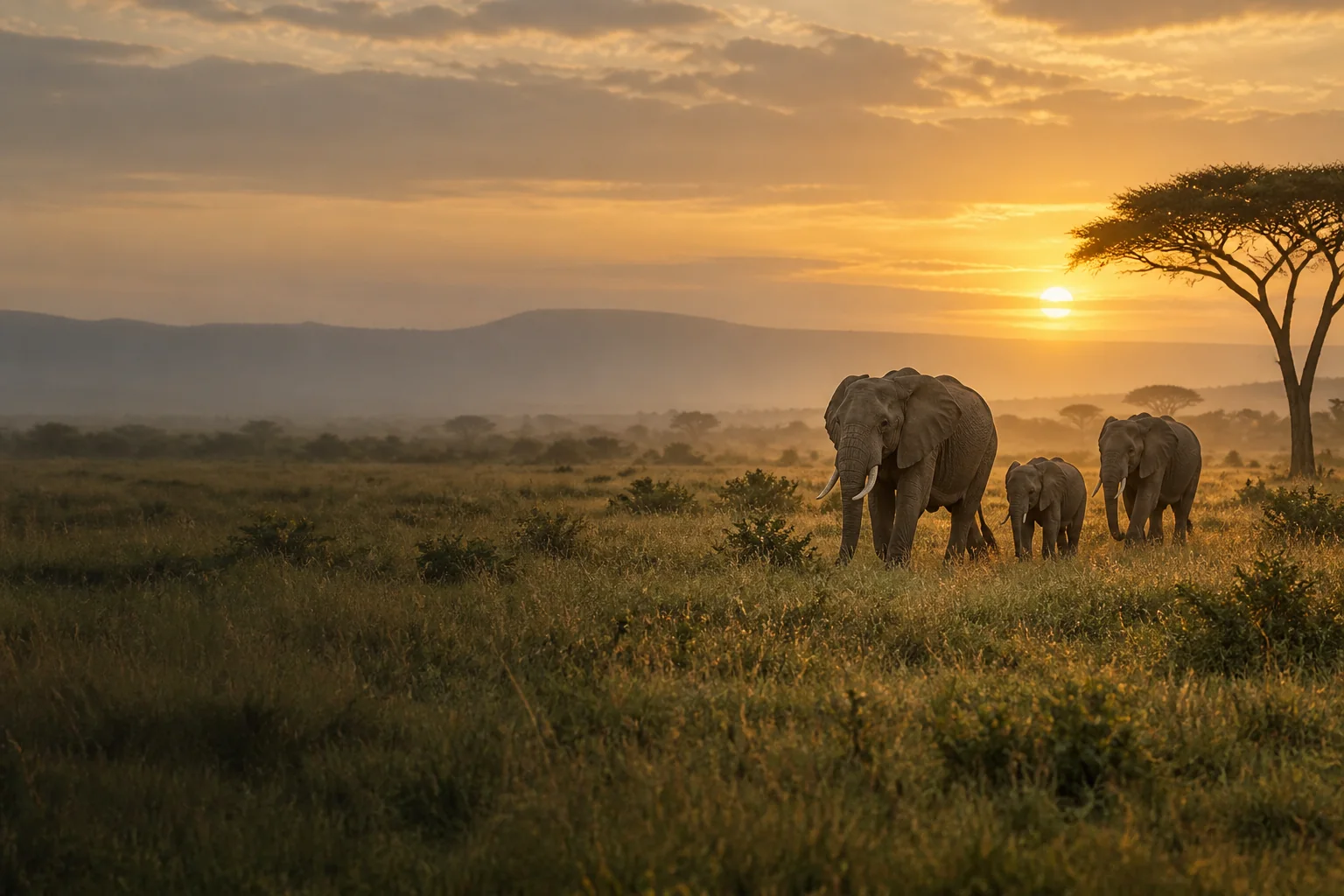
Start with the daily experience
Write down what a satisfying safari day would look like before comparing destinations. One traveler may want a dawn departure, several hours watching birds and an unhurried picnic. Another may prefer two shorter guided outings with a comfortable room between them. Neither preference needs defending, but they produce different routes and budgets.
SANParks describes Kruger as offering independent vehicle access, public rest camps and private lodges. That variety makes it a useful starting point for comparing styles. It does not mean every location provides the same activities. Ask what actually happens on a normal day at each proposed accommodation.
Choose a manageable first base
A large park name can hide very different arrival journeys. Your useful destination is the specific camp, reserve or gate written into the proposal. Ask for the airport, transfer method and approximate journey to that exact property. A short domestic flight may still be followed by a substantial road transfer.
For a first visit, consider several nights at one wildlife base before adding a second. This is an editorial planning suggestion, not a required stay. Repeating a familiar route can help you notice changes in animal behaviour rather than spending each day learning another camp layout. Moving is worthwhile when the second base offers a clear difference.
Understand what a guide changes
Guiding is more than someone driving while you look out of the window. A good explanation turns tracks, alarm calls and apparently empty habitat into part of the experience. If learning about wildlife is your main reason for traveling, ask about guide continuity and whether your group keeps the same guide during its stay.
Independent driving offers another kind of pleasure: choosing when to stop and how long to wait. It also gives you responsibility for navigation, gate times, fuel and the park's rules. A mixed arrangement can work well, with some independent days and separately booked guided activities. Confirm which activities can be reserved beforehand.
Compare the entire safari cost
Separate accommodation from the services attached to it. A room-only rest-camp quotation and a lodge quotation with meals and drives are different products. Put accommodation, conservation charges, vehicle or transfers, activities, meals and drinks into the same comparison. Ask which amounts are fixed and which remain estimates until dates are confirmed.
Also describe your group accurately. Four adults sharing two rooms may be priced differently from two adults with children requiring a family unit. Traveling alone can change room costs and transfer arrangements. An operator can produce a more useful proposal when the first inquiry includes room preferences rather than only a maximum headline budget.
Make the trip comfortable enough to enjoy
Pack for sitting outdoors as well as for the daytime forecast. Ask the operator about early departures, vehicle cover, charging arrangements and laundry. Binoculars can be more useful than upgrading a camera you have not learned to use. Practice adjusting them before departure so that an unfamiliar focus wheel does not occupy your first wildlife sighting.
Share mobility requirements in concrete terms: steps into vehicles, walking distance to rooms and whether assistance is needed after dark. For personal health and travel preparation, use current professional advice for your actual route. Do not assume that a country's general description settles the needs of every reserve or traveler.
Send a brief that invites a useful answer
A strong safari inquiry could say: we have eight nights in South Africa, want four nights focused on wildlife, prefer guided drives and value quiet time more than changing hotels. Include dates or flexibility, ages, room arrangements, arrival city and your total budget range. Then ask the operator to explain why the suggested base fits.
Before committing, read the cancellation terms, payment schedule and inclusions together. Ask what happens if a flight change affects arrival. Keep wildlife expectations open: a sighting list is a wish, not a deliverable. The lasting value of a first safari often comes from understanding the place, including the ordinary moments between headline animals.
Sources & further reading
Official resources for destination facts and current visitor information. Our planning suggestions are editorial guidance, not a live availability or price quote.