What subjects suit a phone particularly well?
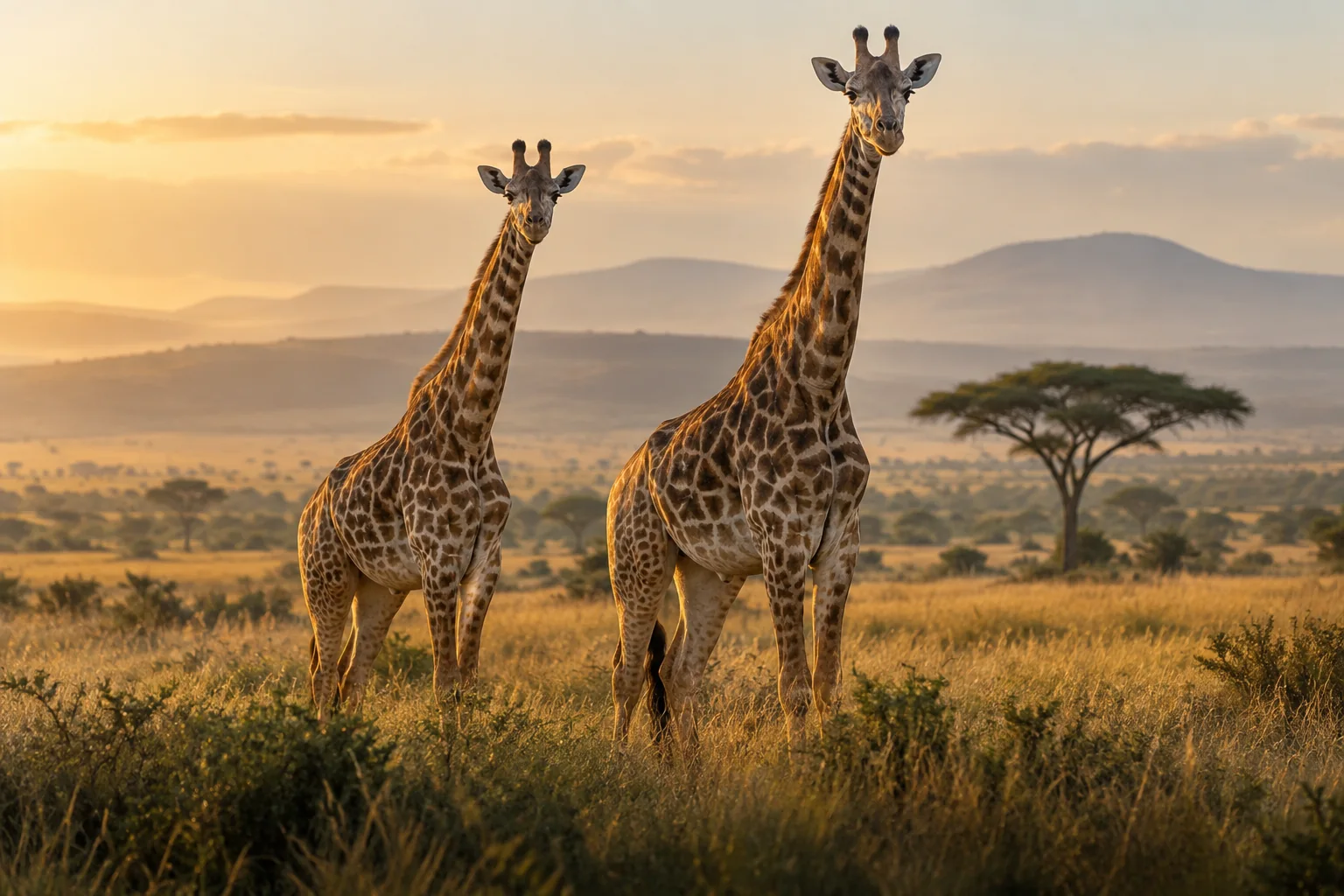
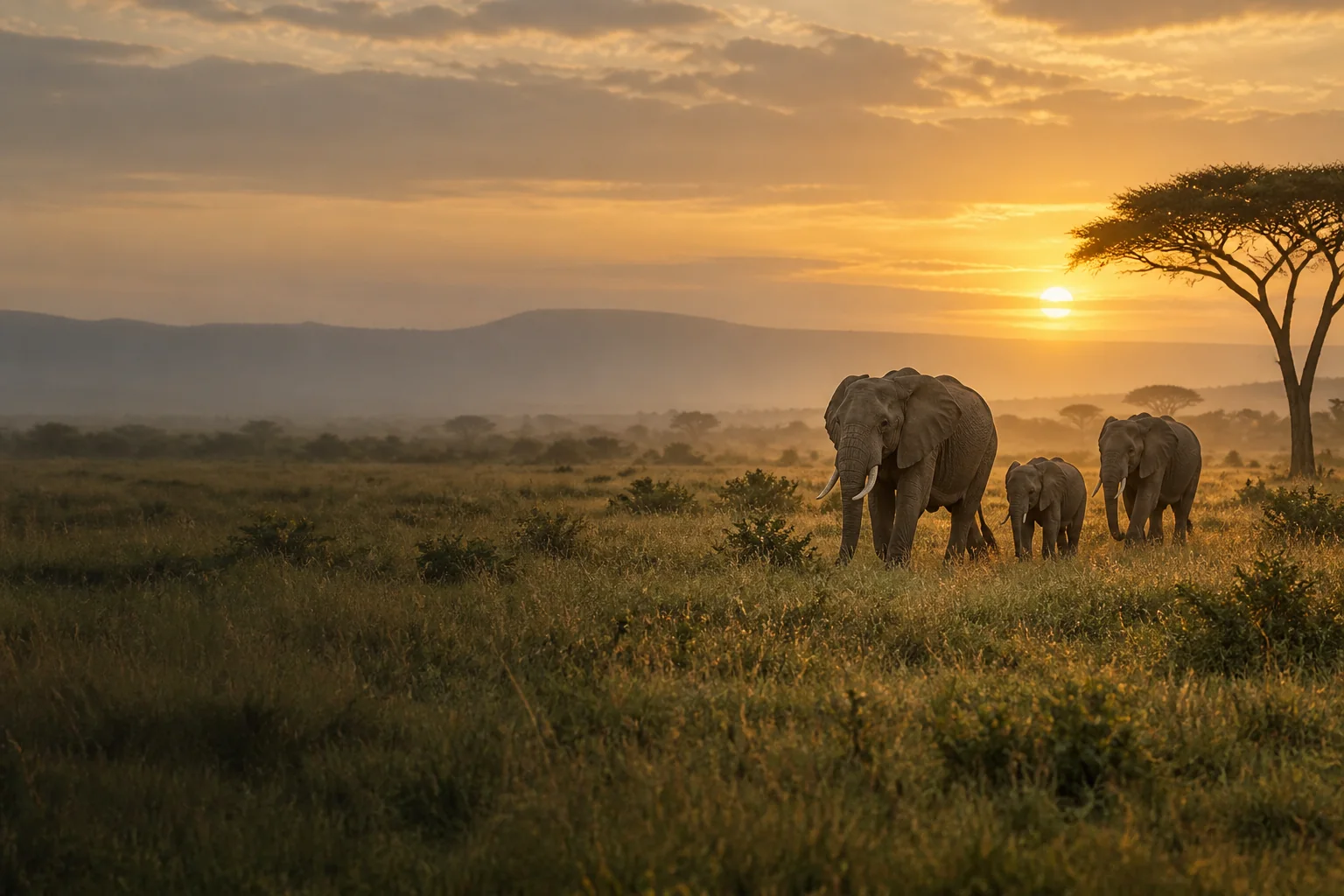
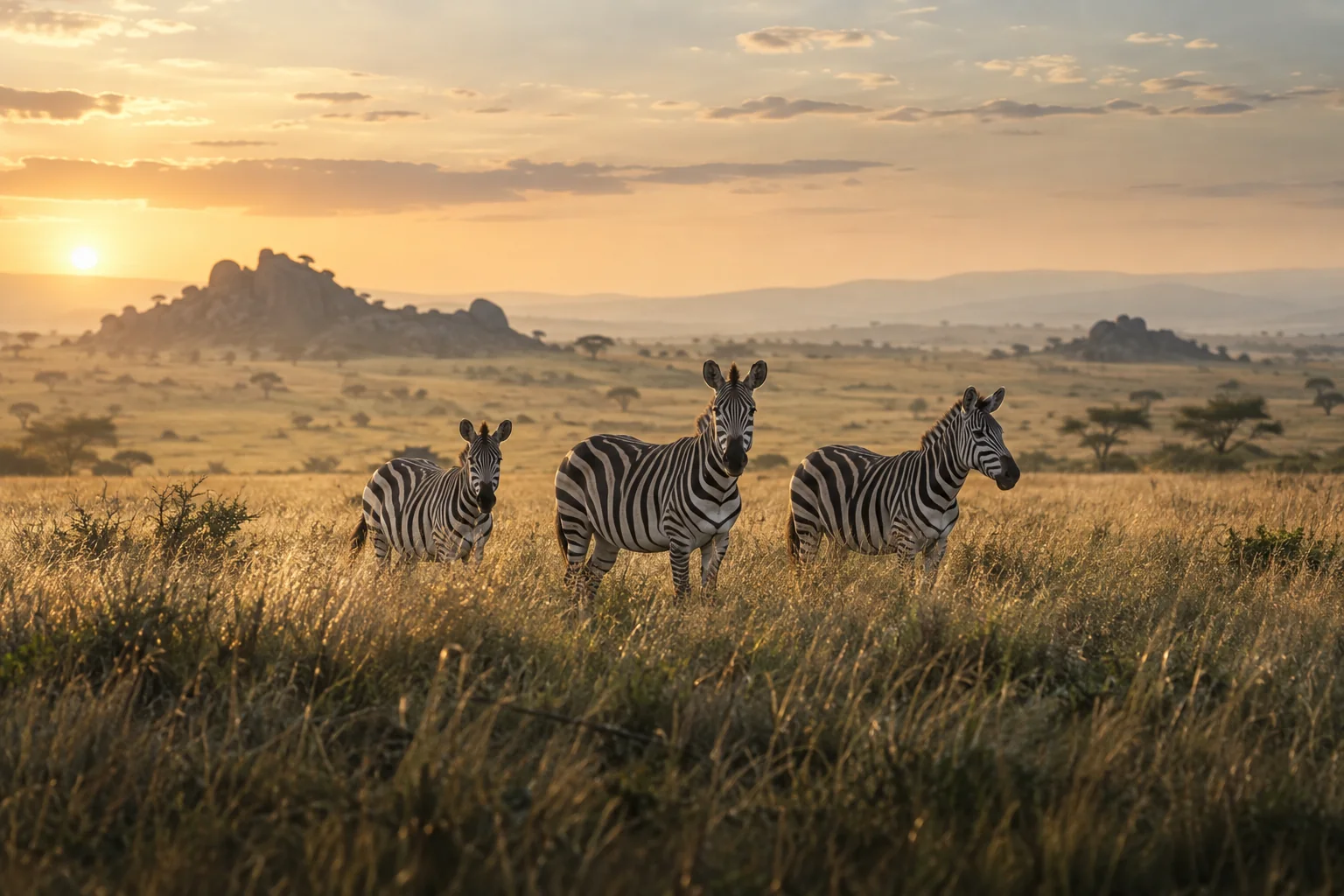
Think beyond a distant animal's face. Wider scenes can show habitat, light, weather and the relationship between an animal and its surroundings. Details around accommodation and the ordinary journey can also help tell the story of a trip. Ask permission before photographing people and follow any site-specific instructions.
Choose a composition deliberately instead of photographing only when someone names a headline species. Include the setting when it adds meaning, and notice moments that do not require magnification. A personal record of a safari does not need to resemble a professional wildlife portfolio. The images often feel more useful when they show what you actually experience rather than unsuccessfully imitating photographs made with different equipment and access.
How do I handle a distant animal?
Accept that a phone may not record the detail you can see through binoculars. Digital enlargement can reduce image quality, and a stronger zoom function still does not create permission to approach. Follow the guide's position and avoid asking for a closer route that conflicts with viewing rules or the animal's behavior.
Try a wider image that shows the habitat if the subject remains visible enough to be meaningful. Alternatively, watch the scene and put the phone away. A missed photograph does not equal a missed experience. Keep the desire for a record proportionate to what the equipment and permitted viewing position support. This makes the outing more enjoyable for you and for guests who prefer to observe without repeated repositioning requests.
What simple habits improve image quality?
Keep the lens clean, hold the phone steadily and learn its focusing and exposure controls before the trip. Use the manufacturer's guidance for your model rather than expecting every phone to offer the same setting. When the guide stops in a suitable position, take a moment to compose instead of making repeated hurried frames through a moving window.
Pay attention to reflections, obstructions and the direction of light. Avoid extending your body or device outside the position the guide permits. Keep straps or grips practical and secure without interfering with other passengers. A few familiar habits are easier to maintain during an outing than experimenting with several unfamiliar accessories while the subject changes or the group needs to move on.
How do I prepare batteries, storage and backups?
Check available storage before leaving home and decide how you preserve important files during the journey. Ask the camp about charging locations and supply times. Download any necessary instructions while you have a suitable connection. A phone used for photos, documents and communication needs a practical plan rather than an assumption that it remains charged all day.
Follow each carrier's conditions for power banks and batteries, and protect the device according to the activity provider's advice. Back up material through a process you understand, without relying on fast internet at every camp. Keep personal documents and account details private when sharing pictures. Organization before departure reduces the chance of losing access to practical trip information because the device is full or unavailable.
What photography etiquette matters most?
Give other guests a fair view, keep noise appropriate and follow instructions about flash, lights and movement. Do not feed, call to or otherwise provoke an animal for a reaction. A guide's decision to wait or leave is part of responsible viewing, even if a photograph feels unfinished.
Ask before photographing staff or community members, and respect a refusal without turning it into a negotiation. Keep sensitive location information about vulnerable wildlife out of casual public sharing when the provider advises it. Enjoy some moments without a screen. A good safari photo is a considerate record of a real experience, rather than evidence that a traveler can obtain any angle regardless of the setting or other people present.
Sources & further reading
Official resources for destination facts and current visitor information. Our planning suggestions are editorial guidance, not a live availability or price quote.
New question-guide sources checked 25 October 2026. Confirm changing requirements and provider arrangements for your dates.