
Choose a region before collecting park names
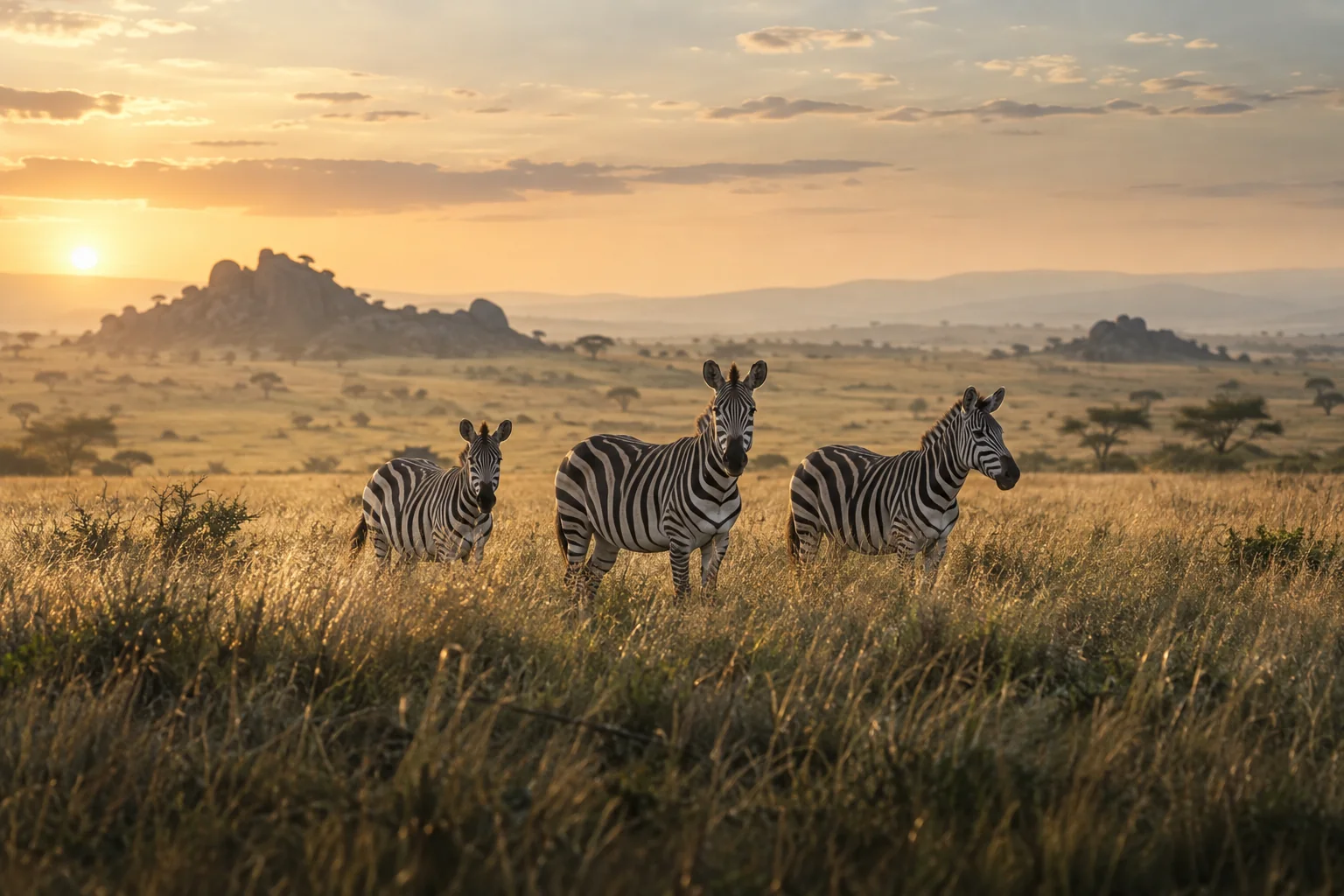
A northern itinerary might be built around the Serengeti and Ngorongoro, while a southern itinerary might focus on Nyerere. UNESCO describes the Serengeti's extensive savannah and migrating herbivores. Tanzania National Parks describes Nyerere through its river, lake and woodland landscapes. Those are meaningful differences in setting, not a ranking of which safari is better.
Ask an operator to recommend one regional approach for your available time and explain what you would gain by staying within it. Combining distant areas can be worthwhile with sufficient nights and suitable transport, but it should solve a particular travel goal. Avoid adding another region simply because its name appears on a must-see list.
Give each stop a job
Look at every accommodation change and ask what it contributes. Does it place you near a different wildlife area, shorten a necessary transfer or provide a deliberate rest? If two stops deliver almost the same purpose, keeping one base longer might create a better holiday. Request a map with overnight locations rather than a list of destinations alone.
Distinguish a place you pass through from a place you properly explore. An itinerary can mention a famous area while allocating only a brief stop. Ask for the number of dedicated activity sessions, with arrival and departure days shown separately. This makes competing proposals easier to compare without being distracted by their headline length.
Understand your transport and camp model
A road-based journey with one driver-guide operates differently from flights linking camps that each provide their own activities. Clarify who guides you at each stage, whether vehicles are shared and how your interests are communicated between hosts. Neither model automatically provides more freedom; the actual inclusions and arrangements determine that.
For a tented property, ask about the bathroom, electricity, walking routes, meals and nighttime procedures. The word tent does not explain the standard of comfort or the amount of assistance available. For flights, confirm baggage restrictions and transfer responsibility. For road sections, request realistic time ranges and comfort stops rather than a best-case driving estimate.
Plan around uncertainty without losing the purpose
Explain any seasonal wildlife priority and ask how the proposed base supports it. Migration-focused plans need particularly careful location discussions. Animals are not scheduled attractions, so an operator should be able to explain what else makes the area worthwhile if conditions differ from expectations. More nights provide time to explore; they cannot guarantee a specific encounter.
Keep your booking brief practical: dates, traveler ages, room requirements, budget scope and the three experiences you value most. Obtain a total that identifies park access, meals, transfers and optional activities. Request written substitution and cancellation terms before paying. A first safari feels less complicated when the paperwork reflects the same clear priorities as the route.
Finally, leave breathing space around the international journey. An arrival buffer or a quieter final afternoon may contribute more to enjoyment than another rushed stop. The best first itinerary is one you understand well enough to explain yourself: where you are going, why each place belongs and how you move between them.
Sources & further reading
Official resources for destination facts and current visitor information. Our planning suggestions are editorial guidance, not a live availability or price quote.