Separate the migration from a single event
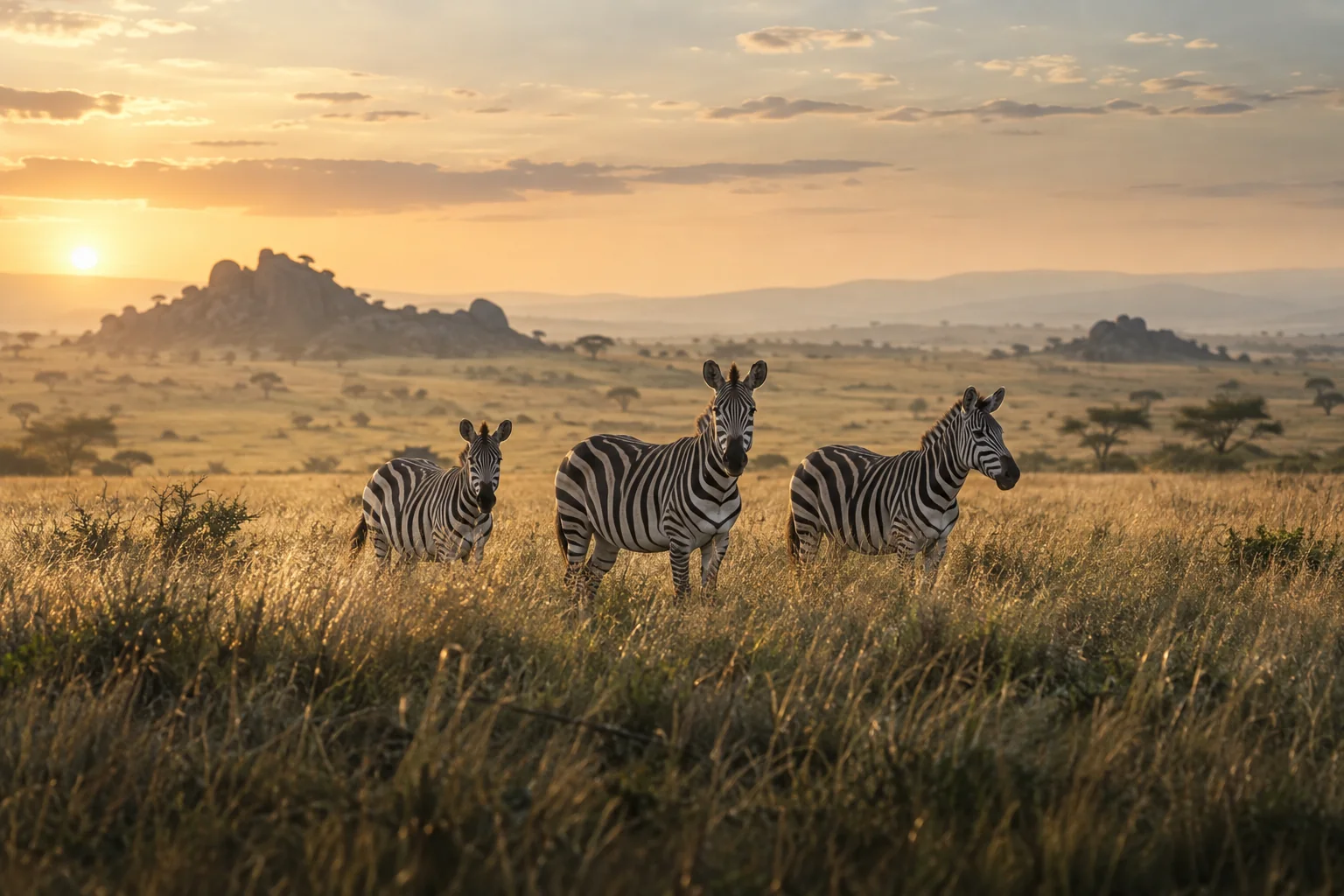
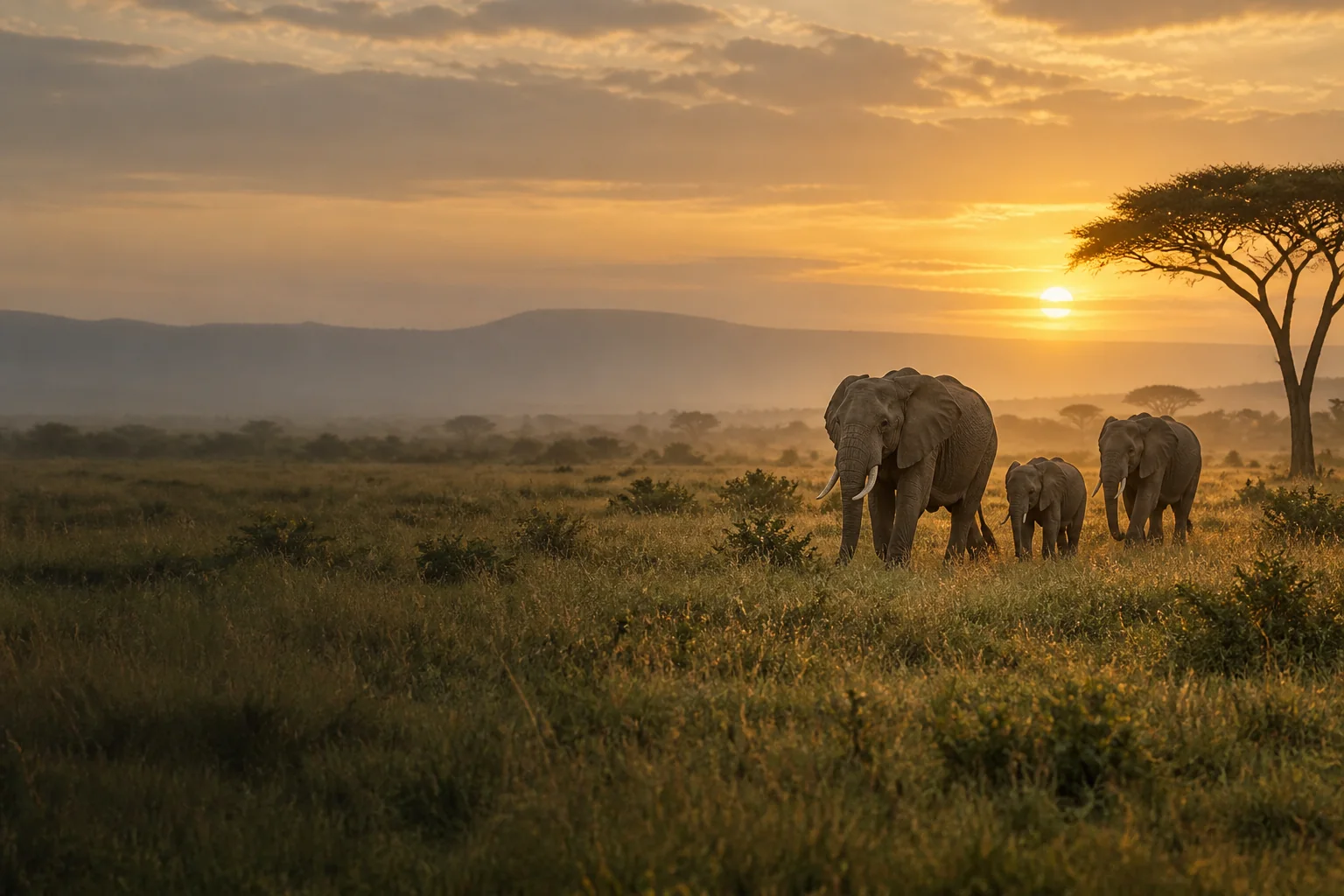
Tanzania National Parks identifies the migration as a defining Serengeti experience. River crossings are one possible part of that wider story, not a synonym for the entire safari. Tell an operator whether your priority is seeing large herds, understanding animal behaviour, photographing landscapes or pursuing a particular scene. Those are different briefs and can lead to different recommendations.
Ask what the suggested location offers besides your main objective. A proposal should explain why its accommodation and driving area suit your dates, while leaving room for the fact that wildlife moves independently. Treat a promise of a precise sighting as something to question, not a reason to pay more.
Choose the base before counting park names
A camp name alone does not establish how well positioned the base is. Ask where you sleep, where drives are expected to take place and what a typical journey between them involves. A long daily commute can consume the quieter parts of the day that you hoped to spend watching wildlife.
Compare two versions of the route: one with more nights in a single area and one that changes camp. Ask the operator to explain the benefit of the move and its cost in travel time. Extra locations do not automatically create extra opportunities if each requires another transfer and a fresh start.
Keep useful flexibility in the plan
Flexibility is easier to understand when it is specific. Find out which decisions your guide can change on the day, which need camp coordination and which are fixed by flights or accommodation reservations. A flexible wildlife drive is different from an itinerary whose overnight locations can be changed without cost.
Tell the guide how your party feels about waiting at one location compared with exploring elsewhere. Some travelers enjoy a long observational session; others would rather see varied habitats. Discuss that preference before frustration builds, especially when a shared vehicle has several competing priorities.
Protect the experience for wildlife and people
TANAPA publishes dedicated Mara River crossing guidance, which is a reminder that access and viewing practices are managed. Ask your operator to explain the current rules before the activity. A desirable camera angle is never a reason to pressure a guide to ignore park instructions or interfere with animals.
Plan for ordinary practical needs as well: meals, rest stops, charging, and the possibility of spending longer than expected in the vehicle. Discuss these with the operator rather than making assumptions from an itinerary label. A comfortable, patient group is more able to appreciate what is actually happening around it.
Write a brief that leaves room for discovery
A useful request might say that you want several unhurried wildlife days, a camp suited to the expected movement on your dates and an honest explanation of uncertainty. Ask for the main recommendation and one alternative, with the tradeoff between them. This gives an operator something more workable than a demand to guarantee a crossing.
When comparing responses, reward clarity about limitations. Look for realistic routing, a good explanation of the base and agreement about your preferred pace. The best outcome is a memorable safari, not proof that nature followed a timetable.
Sources & further reading
Official resources for destination facts and current visitor information. Our planning suggestions are editorial guidance, not a live availability or price quote.